Maya Selway
Jewellery Designer
Raised in London within a creative, communal environment, Maya Selway’s early years were anything but conventional. The daughter of a painter and a poet, she grew up surrounded by making, thinking, and sharing — her childhood filled with days spent in artist studios and workshops.
This early immersion in creativity, coupled with an upbringing that blurred traditional structures, fostered an intuitive understanding of objects as vessels of meaning. It is perhaps here that Maya's enduring fascination with the emotional life of objects first began to take shape.
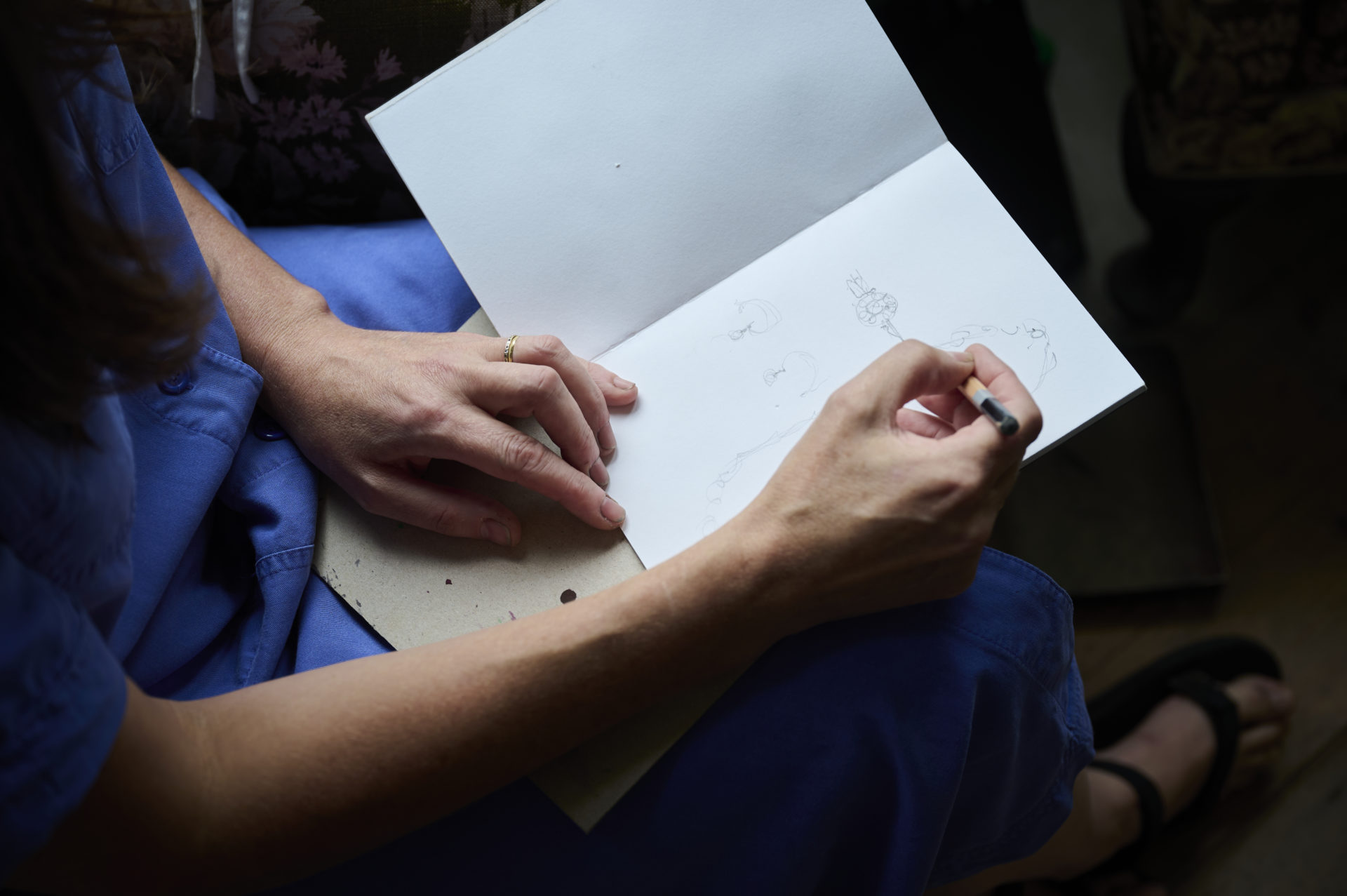
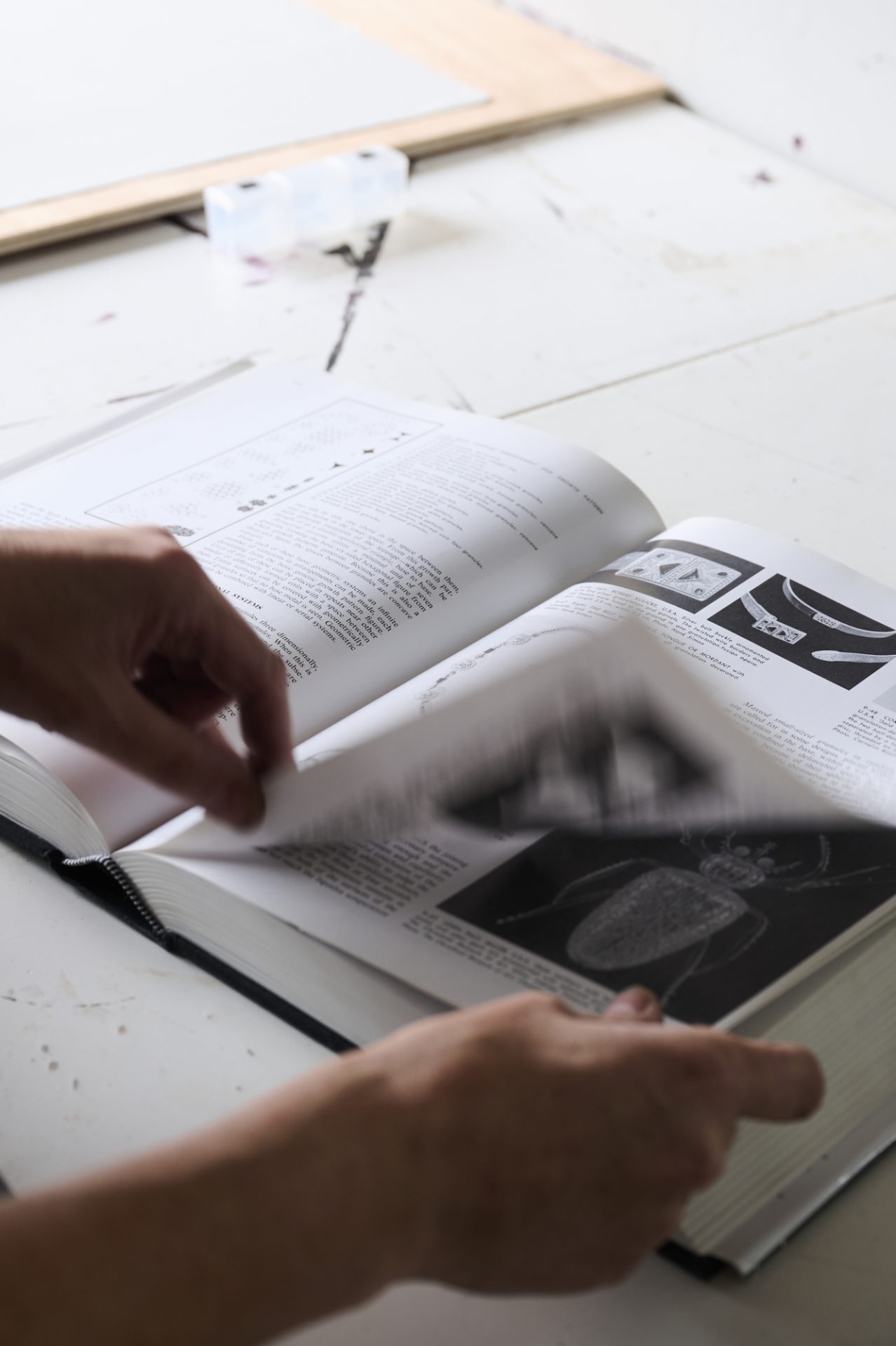
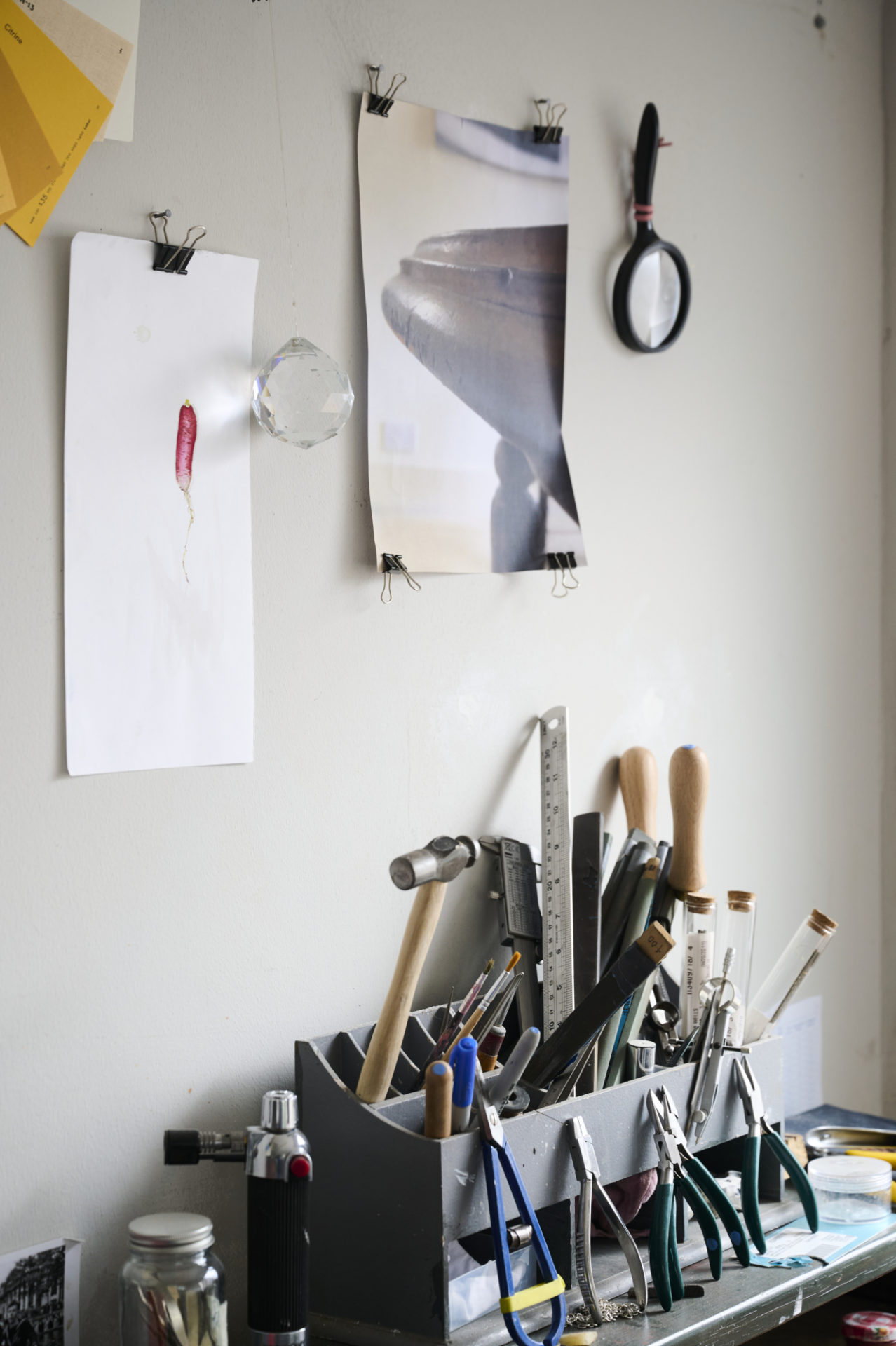
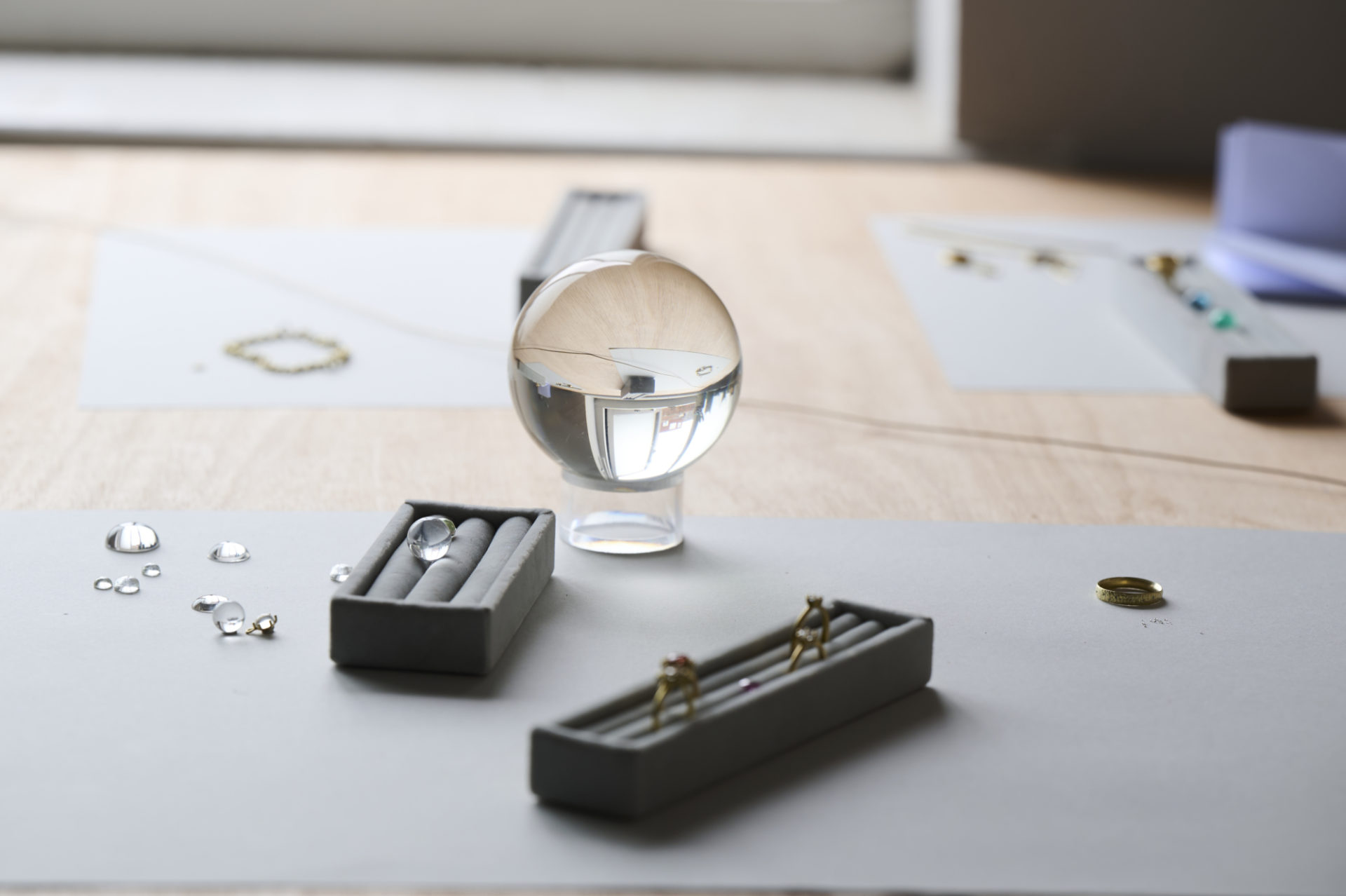
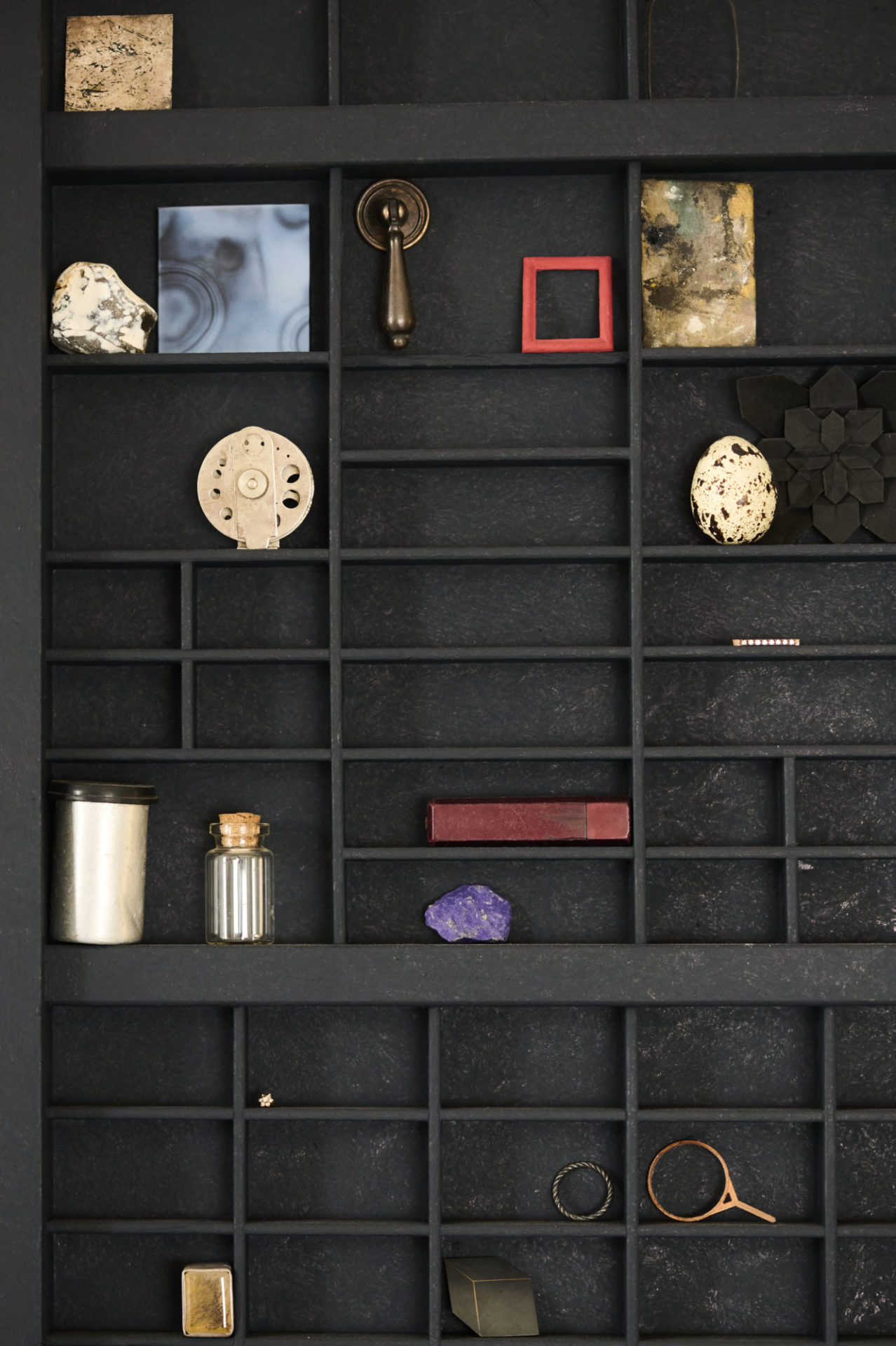
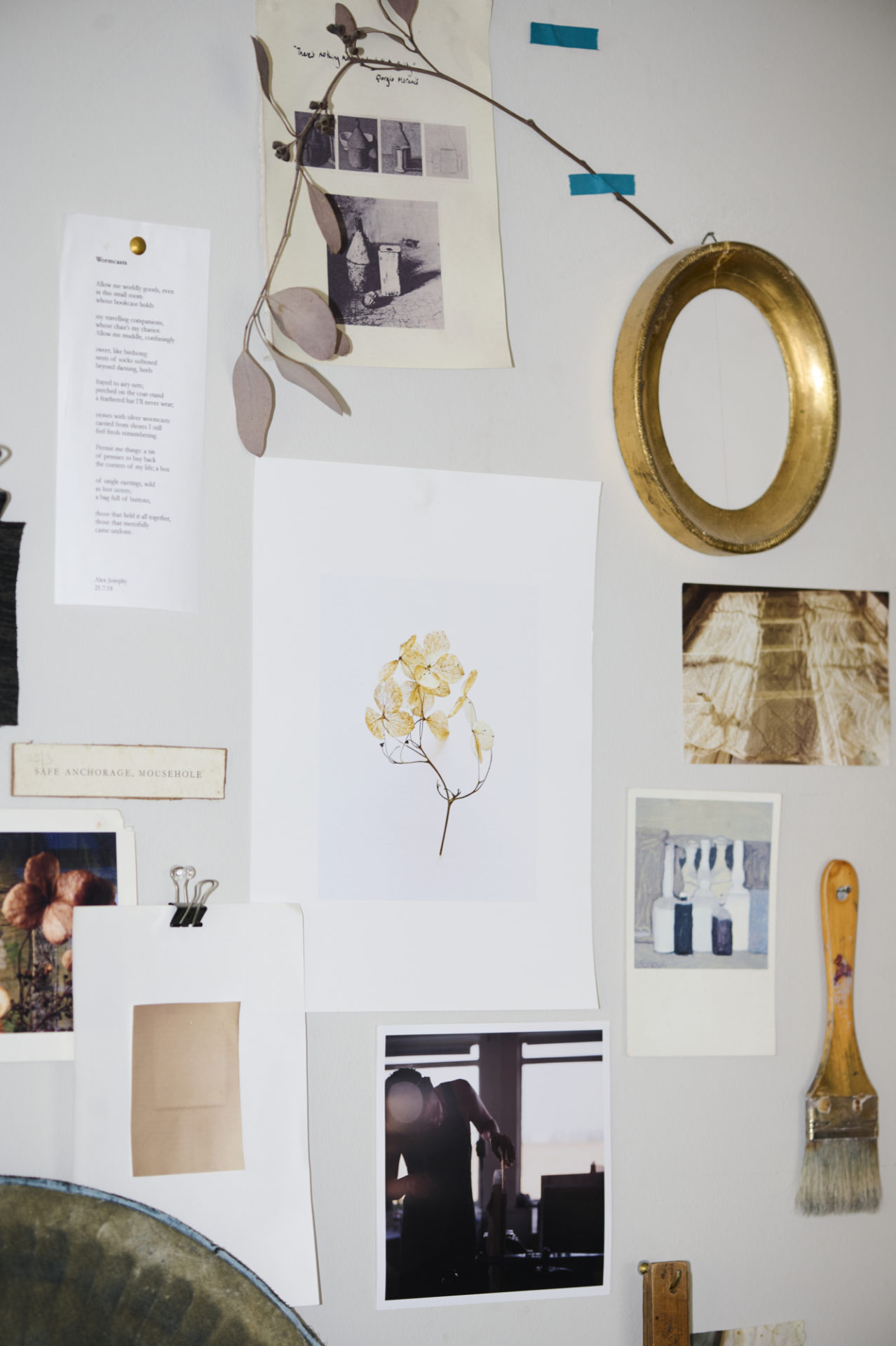
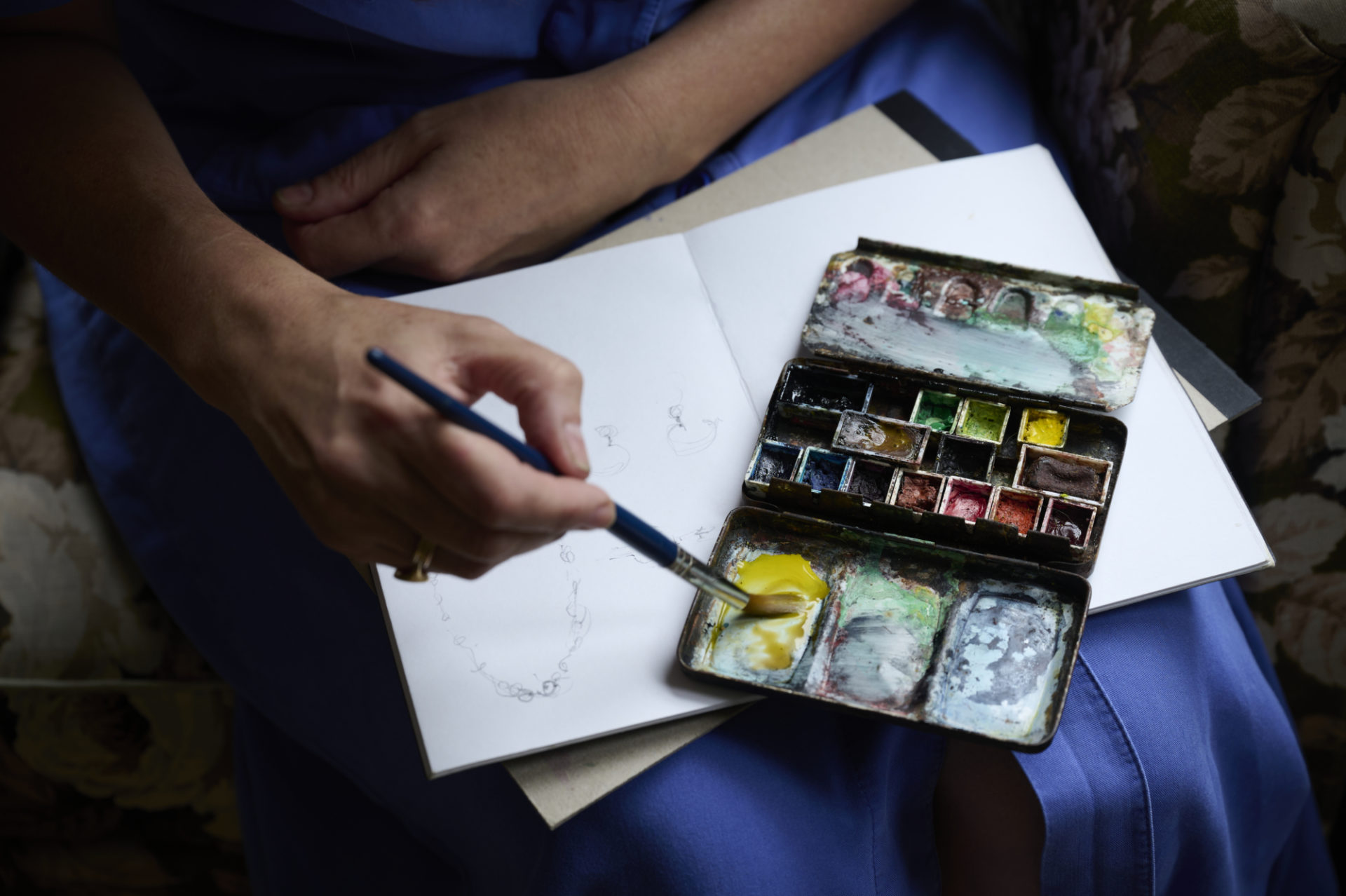
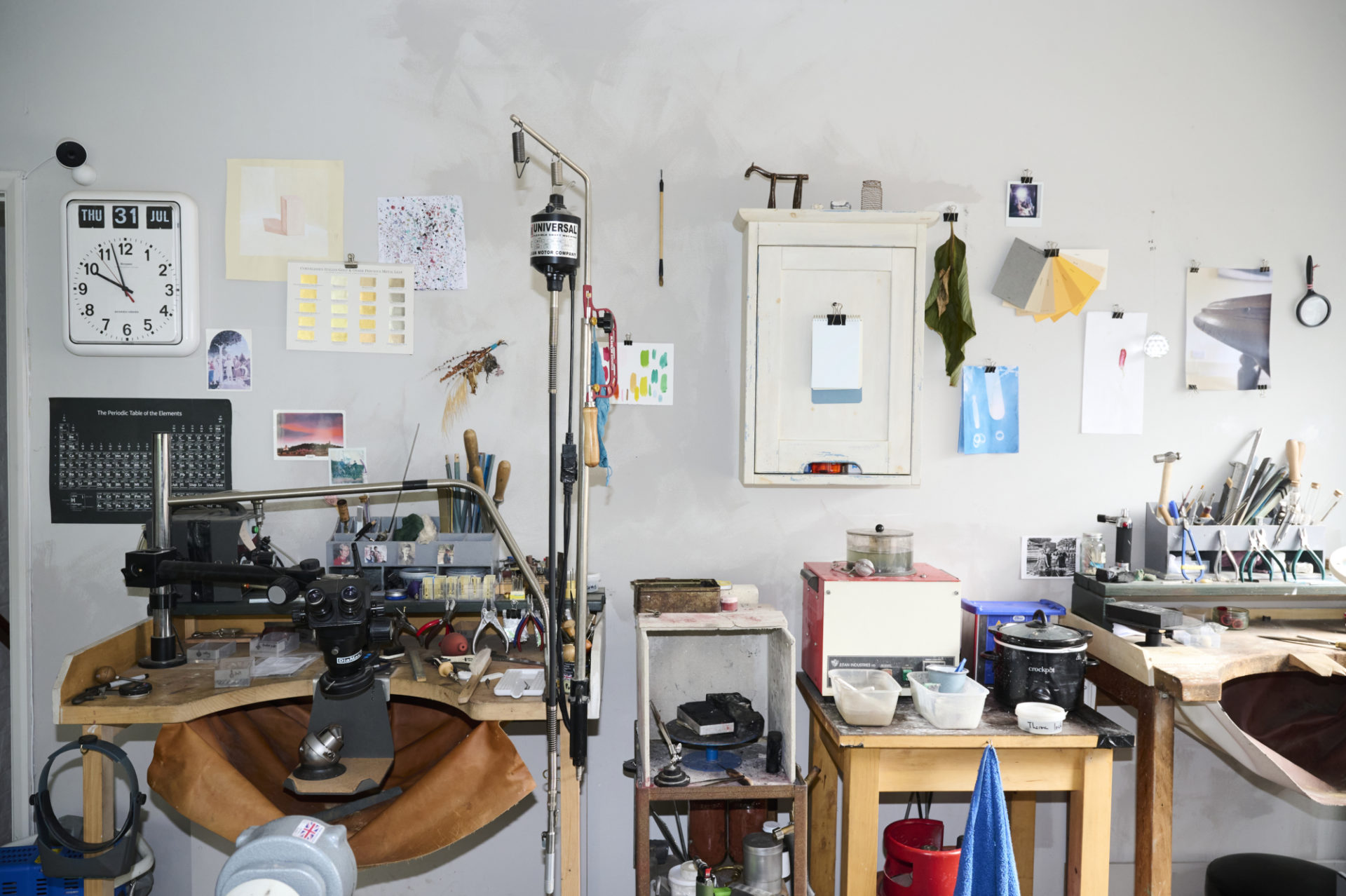
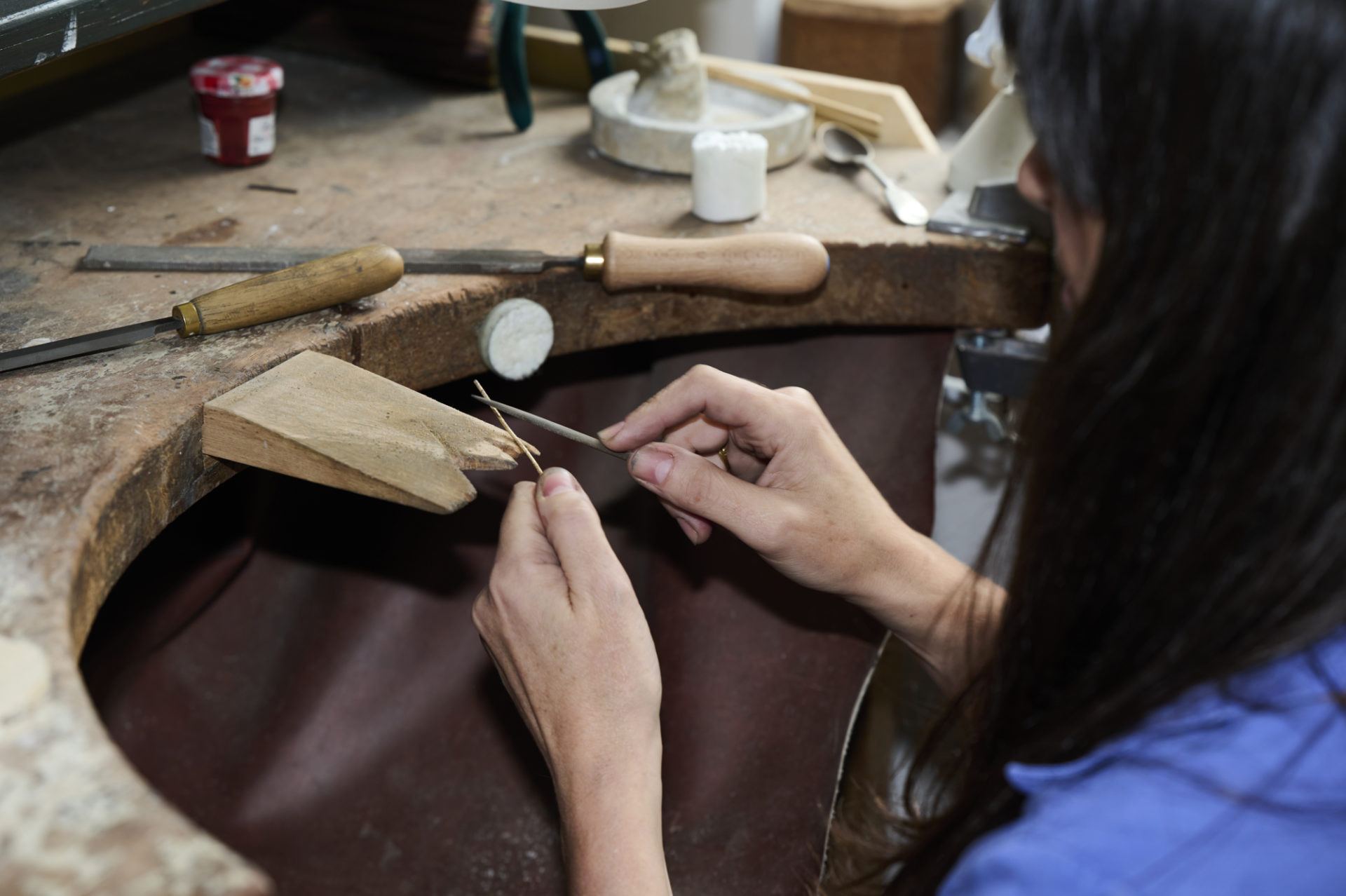
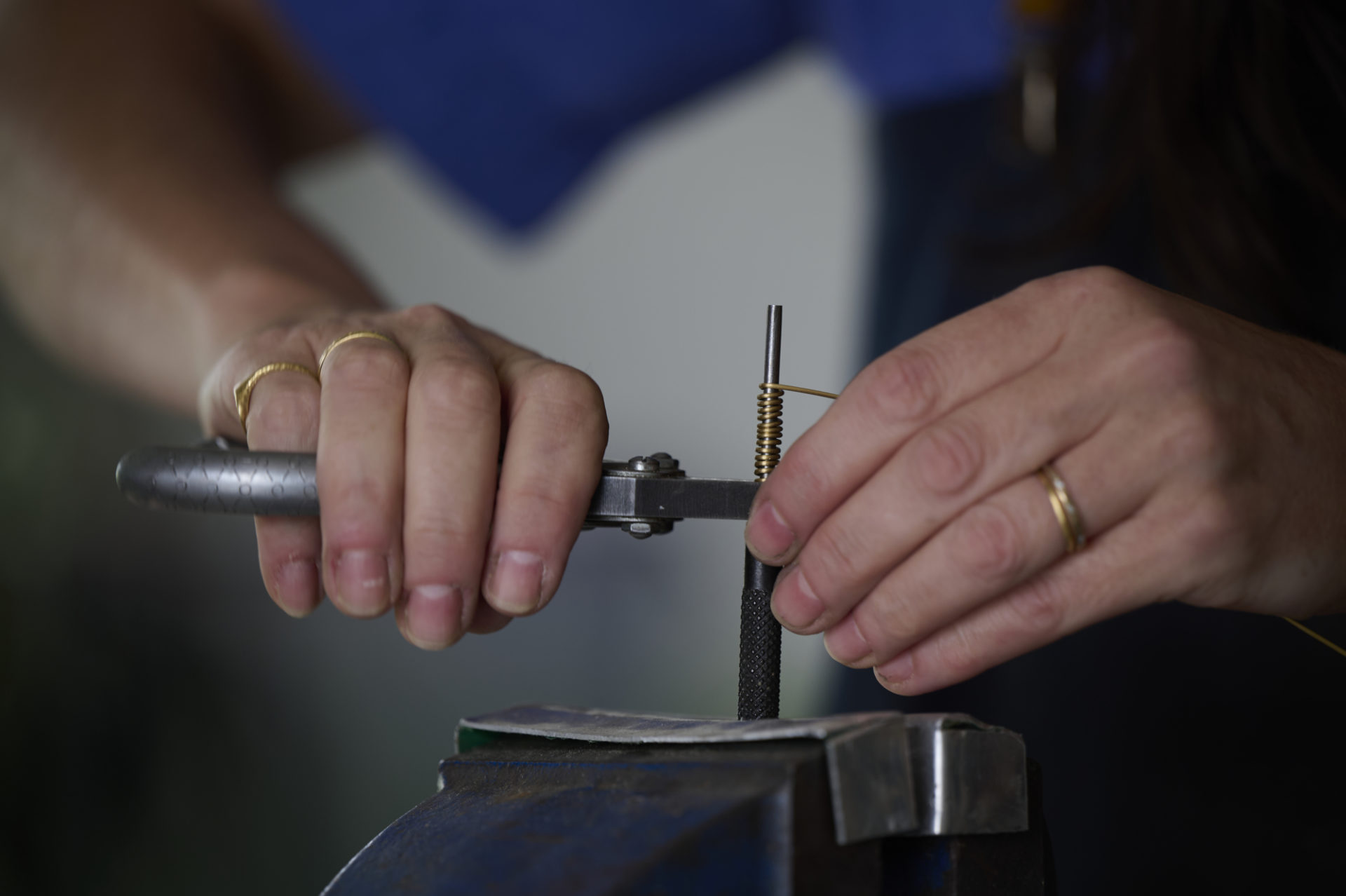
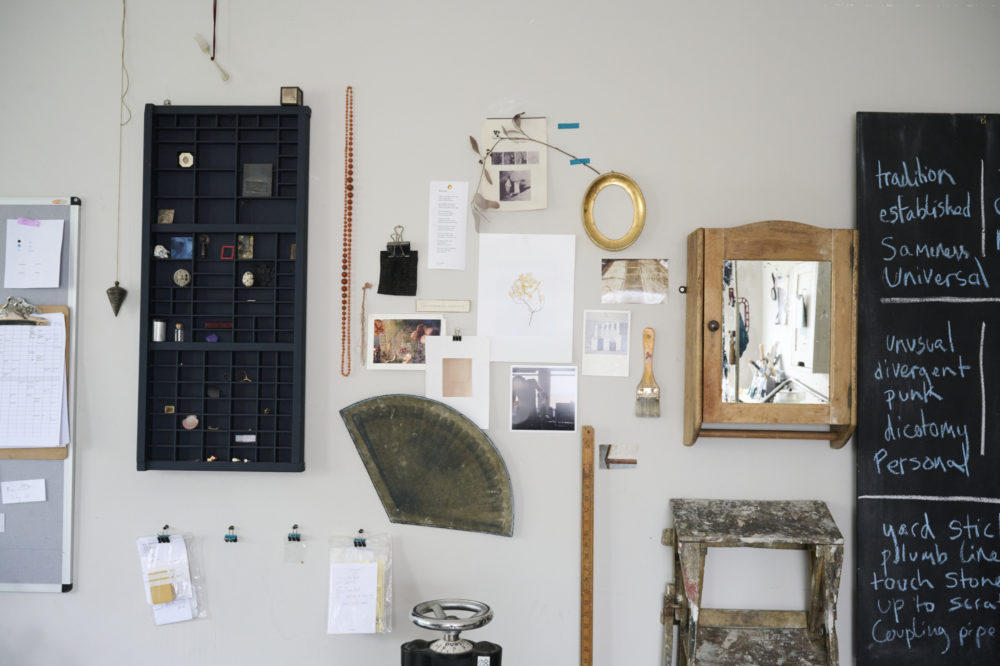
Her training at Camberwell College of Arts provided a conceptual foundation at a time when British art was still shaped by the legacy of the Young British Artists. While much of this was bold and confrontational, Selway found herself drawn to a quieter, more introspective language — her own practice rooted in sculpture, producing work bold enough in its ambition to attract the attention of MoMA, New York. It was the work of Rachel Whiteread, Cornelia Parker and Mona Hatoum that moved her most deeply — artists whose quiet, observational practice she found both poetic and profound.
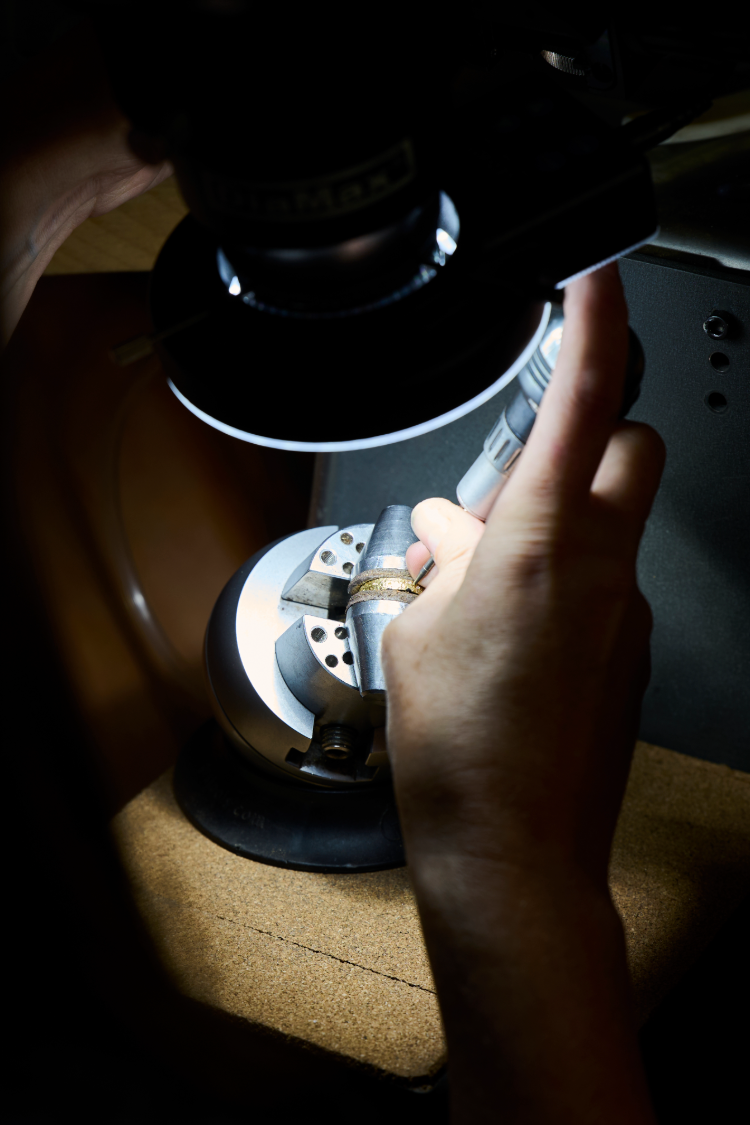
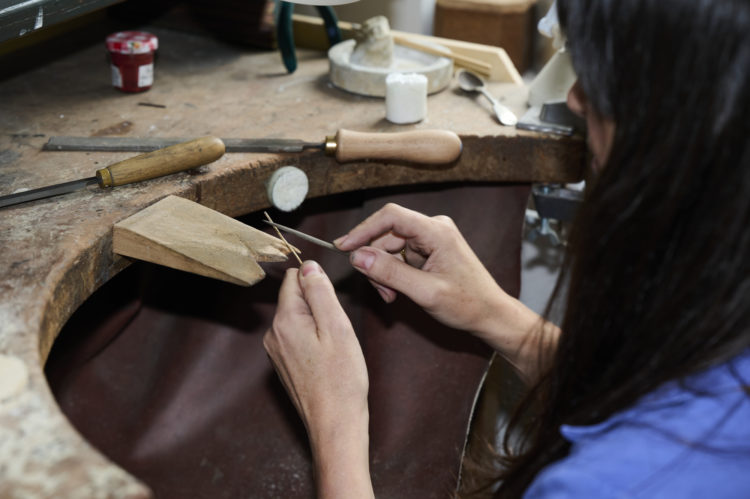
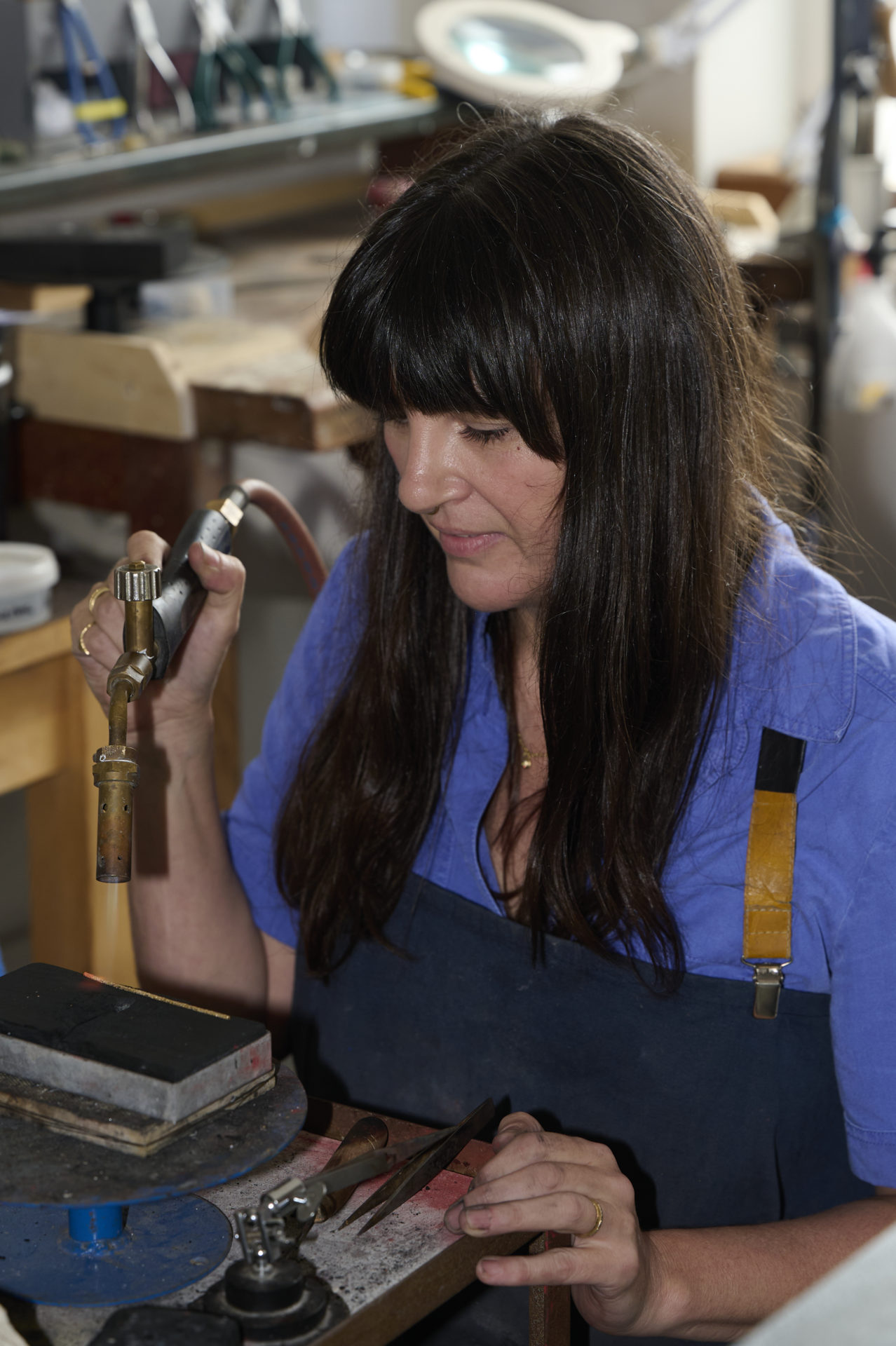
Following her degree, Selway entered the world of theatre, working as a prop maker for institutions such as the National Theatre. It was here, within the practical demands of making for stage, that her technical confidence began to grow. Metal, in particular, became a language she could speak with increasing fluency — its possibilities expanding through repetition, experimentation, and an ever-deepening curiosity. Yet it was during this period, somewhat unexpectedly, that she encountered a field that would reshape her practice entirely.
Working within a gallery that specialised in contemporary art jewellery, Selway discovered a community that bridged the conceptual with the wearable. It was, as she describes it, a kind of homecoming — a moment in which the ideas she had explored in sculpture found a new, more intimate form. Jewellery offered something sculpture had not: a direct relationship with the body, and with it, a more immediate emotional exchange. Where sculpture could feel distant or cerebral, jewellery invited closeness, interaction, and personal meaning.
This shift marked a defining moment in her career. Establishing her studio at Cockpit Arts, where she has now been based for over two decades, Selway began to develop a body of work that reflects this merging of disciplines. Her pieces, often intricate and small in scale, carry with them the same conceptual weight as her earlier sculptures—yet they exist within the rhythms of everyday life, worn, touched, and gradually shaped by their owners.
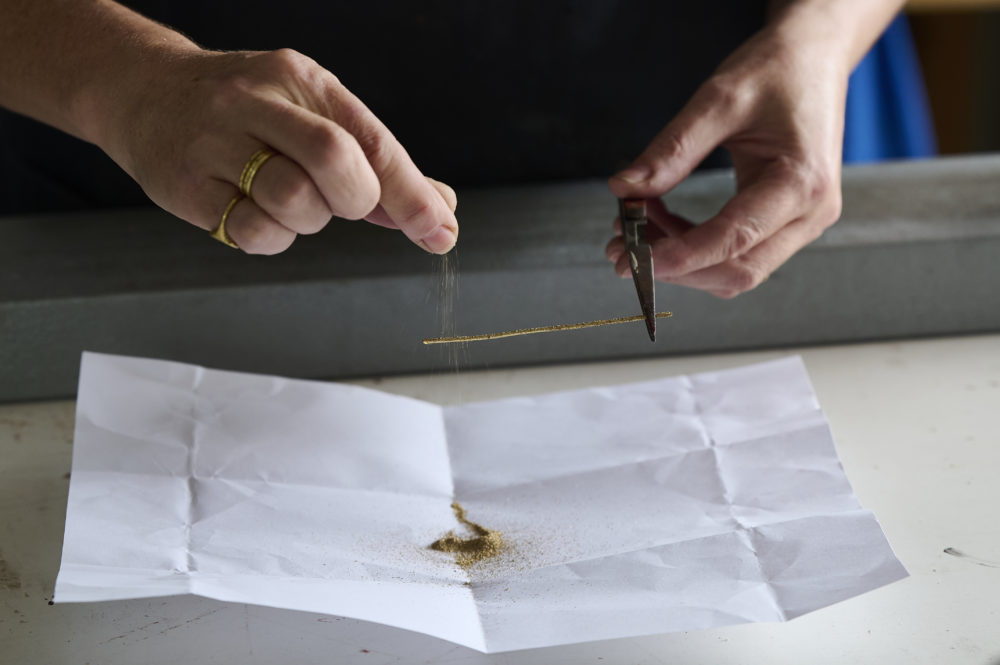
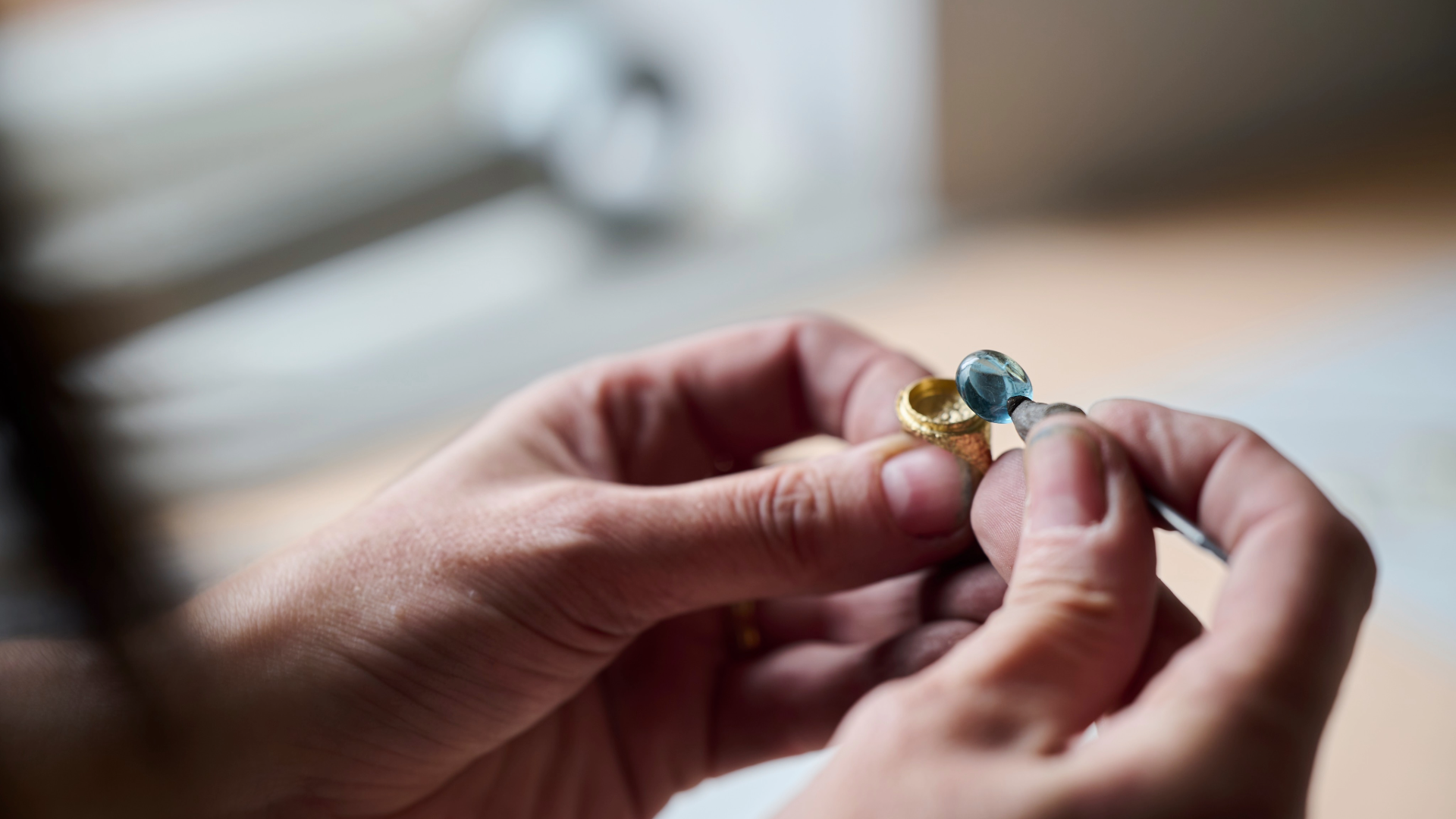
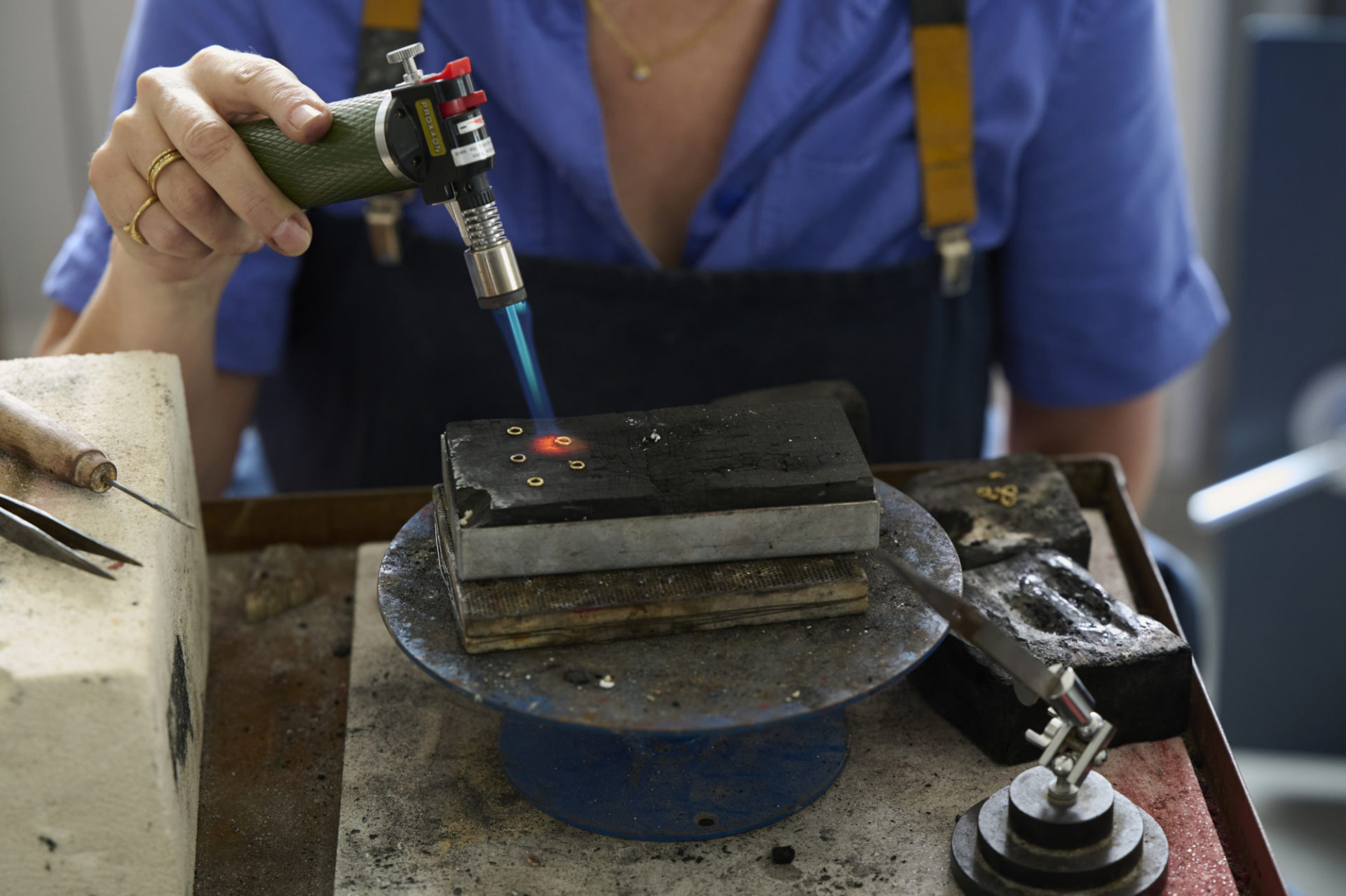
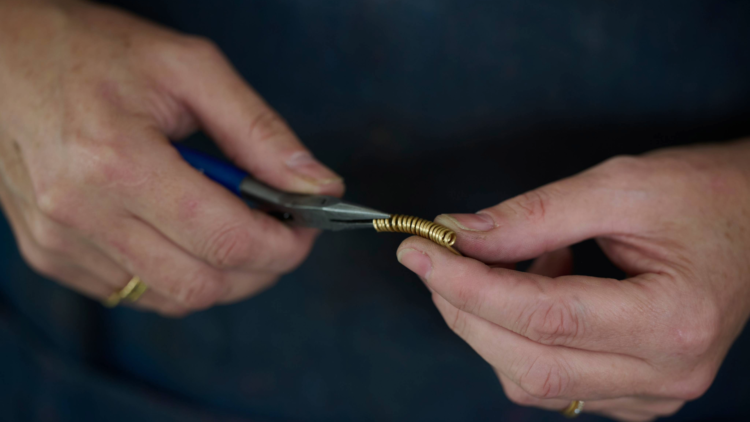
Among the techniques that characterise her work is the use of fused gold dust — a process ancient in origin that Selway has made entirely her own.
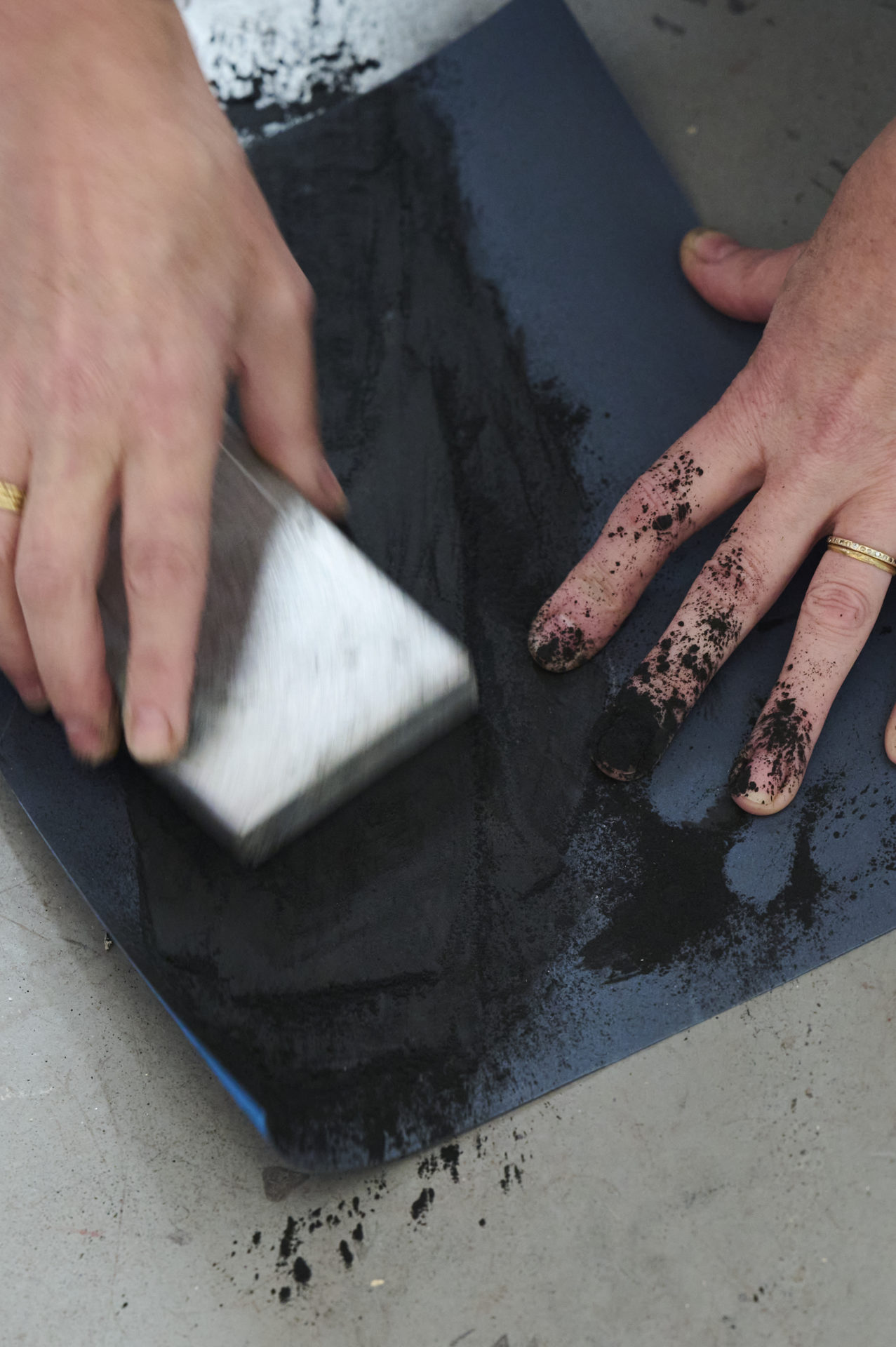
It was her time studying with the Italian master Giovanni Corvaja, widely recognised as one of the most significant living goldsmiths, that transformed her understanding of what the material could do. She learned to make fine gold filings, to sprinkle them across a solid gold surface and watch as the temperature rose - waiting for the moment, just before fusion, when the dust looks slightly wet. "And then it just joins," she says. "Magical really".
Selway has worked with recycled gold for more than a decade, drawn to the material's layered history as much as its physical properties. "All gold has been many things in its lifetime," she says. "So many rebirths."
It is a philosophy that runs quietly through everything she makes. After years of deepening her practice through jewellery, she now finds herself returning to the thought of sculpture, the two disciplines informing one another in ways that feel entirely natural.
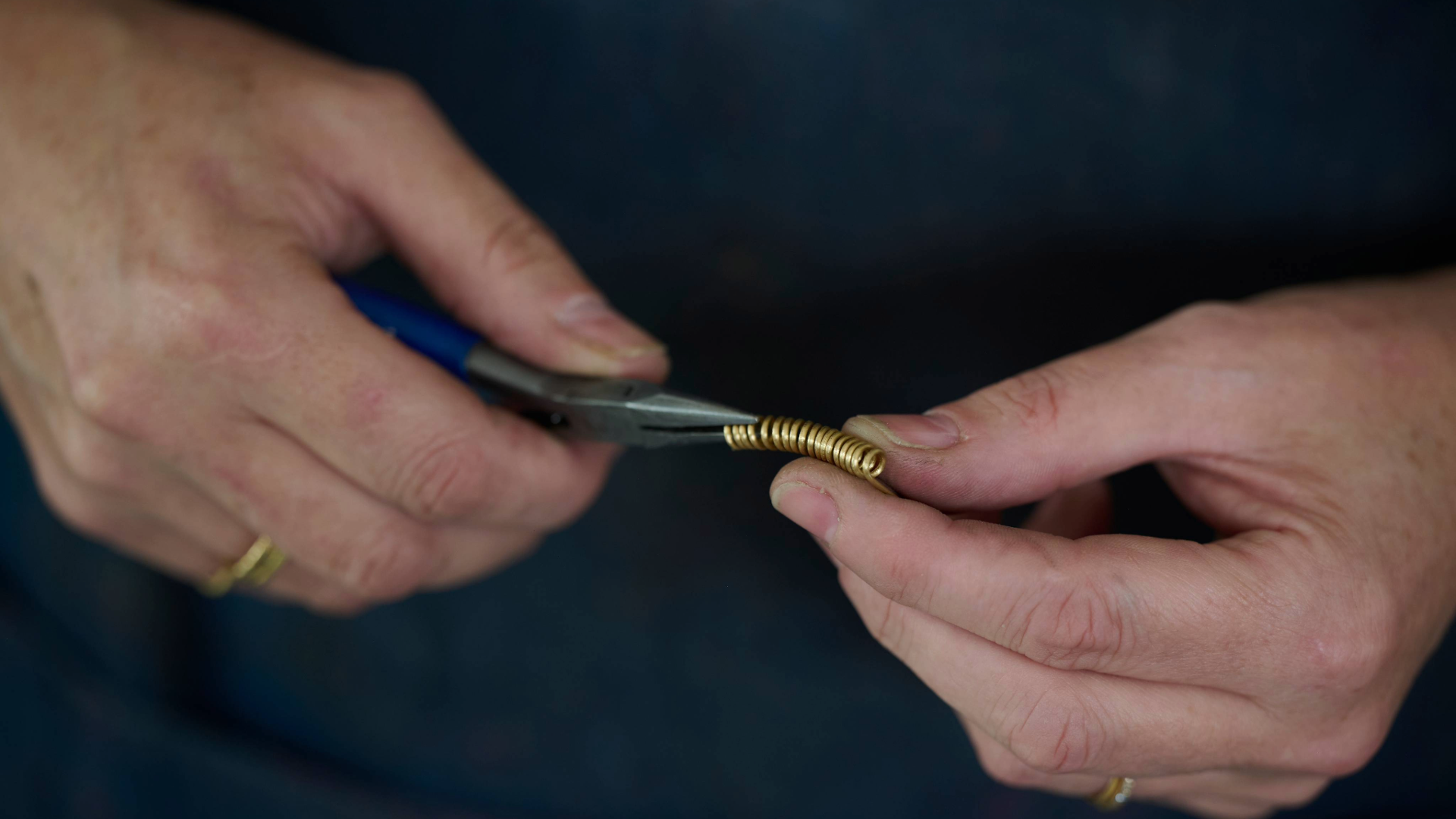
"Gold is extraordinary — it can be pushed to extremes, yet it never loses itself.”Maya Selway